
Reliable Cross Docking Services in Seattle & Tacoma
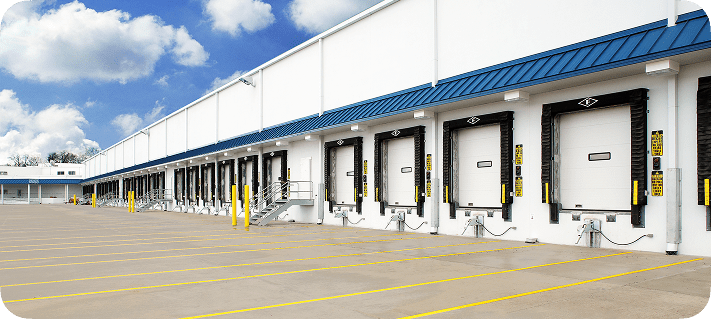
At PNW Warehousing, we specialize in providing seamless and efficient cross-docking services designed to optimize your supply chain, reduce operational costs, and ensure timely deliveries. Strategically located near major distribution centers, our cross-dock warehouse is just minutes away from Costco, Fred Meyer, Safeway, and positioned between the Port of Tacoma and the Port of Seattle. This prime location ensures quick access to major highways and logistics hubs, enabling us to meet tight deadlines and handle even the most complex shipping requirements with ease.
Our dedicated team of logistics professionals, available 24/7 by request, brings decades of expertise in managing time-sensitive shipments and resolving unexpected challenges. Equipped with advanced industry knowledge and a proactive approach, our team ensures precision and efficiency in every task, whether it’s FTL cross-docking, LTL cross-docking, freight consolidation, or container cross-docking. Their unwavering commitment to excellence, guarantees that your goods are handled with care and expertise at every stage.
Using cutting-edge equipment and technology, our staff works collaboratively to address unique logistics needs. Whether you require tailored cross-docking solutions, emergency reloads, or oversized freight handling, we are prepared to deliver solutions that ensure your operations remain smooth and uninterrupted. Our team’s adaptability and customer-focused approach consistently exceed client expectations.
Our Cross Dock Services
At PNW Warehousing, we offer efficient cross-docking solutions tailored to optimize your supply chain and reduce costs. Whether handling retail goods, perishable items, or complex logistics, our services ensure smooth operations.
LTL / LCL Cross Dock
FTL / FCL Cross Dock
Container Cross Dock
Freight Consolidation
Heavy Weight Cross Dock
Intermodal Cross Dock
3PL Cross Docking
E-Commerce Cross Docking
Retail Cross Docking
Manufacturing Cross Docking
Food and Beverage Cross Docking
Inventory Management
Reverse Logistics Cross Docking
Let Us Streamline Your Supply Chain!
Looking for reliable and efficient logistics solutions? At PNW Warehousing, our experts are ready to provide tailored Supply chain solutions designed to optimize your operations. Contact us today to discuss your business needs and get a custom quote.
Email Address
contact@pnwwarehousing.com
Phone Number
(206) 705-3076
Location 1
3011 70th Ave E Unit A, Fife, WA 98424
Location 2
1565 Fryar Ave, Sumner, WA 98390
FAQs
Q1: What is cross-docking? What is cross-dock?
A: Cross-docking is a logistics process where goods are transferred directly from inbound transportation (e.g., trucks, containers) to outbound transportation with minimal or no storage in between. It streamlines the supply chain by reducing handling and eliminating the need for long-term warehousing.
In simple terms, cross-dock refers to a facility or warehouse where this process occurs, enabling faster and more cost-effective delivery of goods.
Q2: What are the benefits of cross-docking?
A: Cross-docking provides several key benefits:
Environmentally Friendly: Fewer trips mean reduced emissions and fuel consumption.
Faster Deliveries: Reduces transit times by bypassing storage.
Lower Costs: Minimizes storage and labor costs.
Improved Supply Chain Efficiency: Ensures seamless movement of goods from suppliers to end destinations.
Enhanced Inventory Control: Reduces the need for large inventory holdings.
Q3: Cross Dock vs Transload
A: While both involve the transfer of goods, cross-docking and transloading serve different logistics purposes:
Transloading: Involves transferring goods from one mode of transportation to another, such as from a container to a truck or rail. Common in international shipping and intermodal logistics.
PNW Warehousing specializes in both services to accommodate various supply chain needs.
Cross-Docking: Focuses on transferring goods directly from inbound to outbound transportation with minimal storage. Ideal for retail, e-commerce, and fast-moving goods.
Q4: What are the benefits of cross-docking services partnering with PNW Warehousing?
A: Partnering with PNW Warehousing for cross-docking offers:
Reliability: With a proven track record of meeting tight deadlines, our team ensures your shipments are managed with precision and care, every step of the way.
Strategic Location: Our facilities are strategically positioned near the Port of Tacoma, Port of Seattle, and major highways, enabling faster transit and streamlined logistics operations.
Experienced Team: Our skilled professionals, available 24/7, bring decades of experience in handling time-sensitive shipments and resolving unexpected logistical challenges.
Advanced Equipment: We utilize cutting-edge equipment, including forklifts with specialized attachments such as carton clamps, paper roll clamps, slip sheets, and heavy-duty forklifts, to efficiently handle diverse types of cargo.
Custom Solutions: We offer tailored services, including freight rework, pallet restacking, and emergency reloads, ensuring your goods meet all shipping and retail standards.
Q5: What types of cargo can be cross-docked by PNW Warehousing?
A: At PNW Warehousing, our cross-docking services are equipped to handle a wide range of cargo efficiently and securely, including:
Food, Beverage, and Alcohol: Professional handling of regulated goods to maintain quality and compliance.
Palletized Goods: Standardized shipments for retail, manufacturing, and distribution, ensuring quick and organized transfers.
Floor-Loaded Cargo: Expert unloading, sorting, and reloading of floor-stacked goods for seamless distribution.
Oversized Cargo: Specialized handling of heavy-duty and large-scale items such as machinery, construction materials, and industrial equipment.
High-Value Goods: Secure and reliable management of sensitive or high-value shipments to prevent loss or damage.
Medical Supplies: Compliant and careful handling of pharmaceuticals, medical devices, and other healthcare products.
Our facilities, equipped with forklifts with attachments such as carton clamps, paper roll clamps, slip sheets, and heavy-duty forklifts, ensure every shipment is handled with precision and care, no matter its size or complexity.
Q6: Where are your cross-docking facilities located?
A: Our cross-docking facilities are located in Fife, WA, and Sumner, WA, strategically positioned near:
- The Port of Tacoma (approximately 5 miles away).
- The Port of Seattle (approximately 25 miles away).
- Major distribution hubs and highways, ensuring fast and efficient logistics connections.
These prime locations allow us to provide seamless and reliable cross-docking services for businesses across the Pacific Northwest.
Q7: What are the advantages of cross-docking?
A: Cross-docking offers numerous advantages, including:
Efficiency: Streamlines operations by consolidating and deconsolidating shipments as needed.
Speed: Rapid transfer of goods, ideal for time-sensitive shipments.
Cost Savings: Reduces warehousing and storage costs.
Flexibility: Adaptable to changing supply chain demands.
Reduced Handling Risks: Minimizes the chances of product damage during transit.
Q8: Types of Cross-Docking
A: Cross-docking can be categorized into several types:
Deconsolidation Cross-Docking: Breaking down large shipments into smaller loads for distribution to multiple destinations.
Pre-Distribution Cross-Docking: Goods are sorted and allocated to their final destinations before arriving at the cross-dock facility.
Post-Distribution Cross-Docking: Sorting and allocation occur at the facility based on real-time demand.
Continuous Cross-Docking: Direct transfer from inbound to outbound transportation with minimal delay.
Consolidation Cross-Docking: Combining smaller shipments into larger loads for cost-effective transport.
